Disclaimer: This article is strictly for educational and informational purposes and does not constitute medical advice. If you suffer from diagnosed severe Obstructive Sleep Apnea (OSA), chronic severe asthma, COPD, or chronic nasal congestion/deviated septum, always consult a licensed pulmonologist, ENT, or sleep medicine specialist before attempting mouth taping.
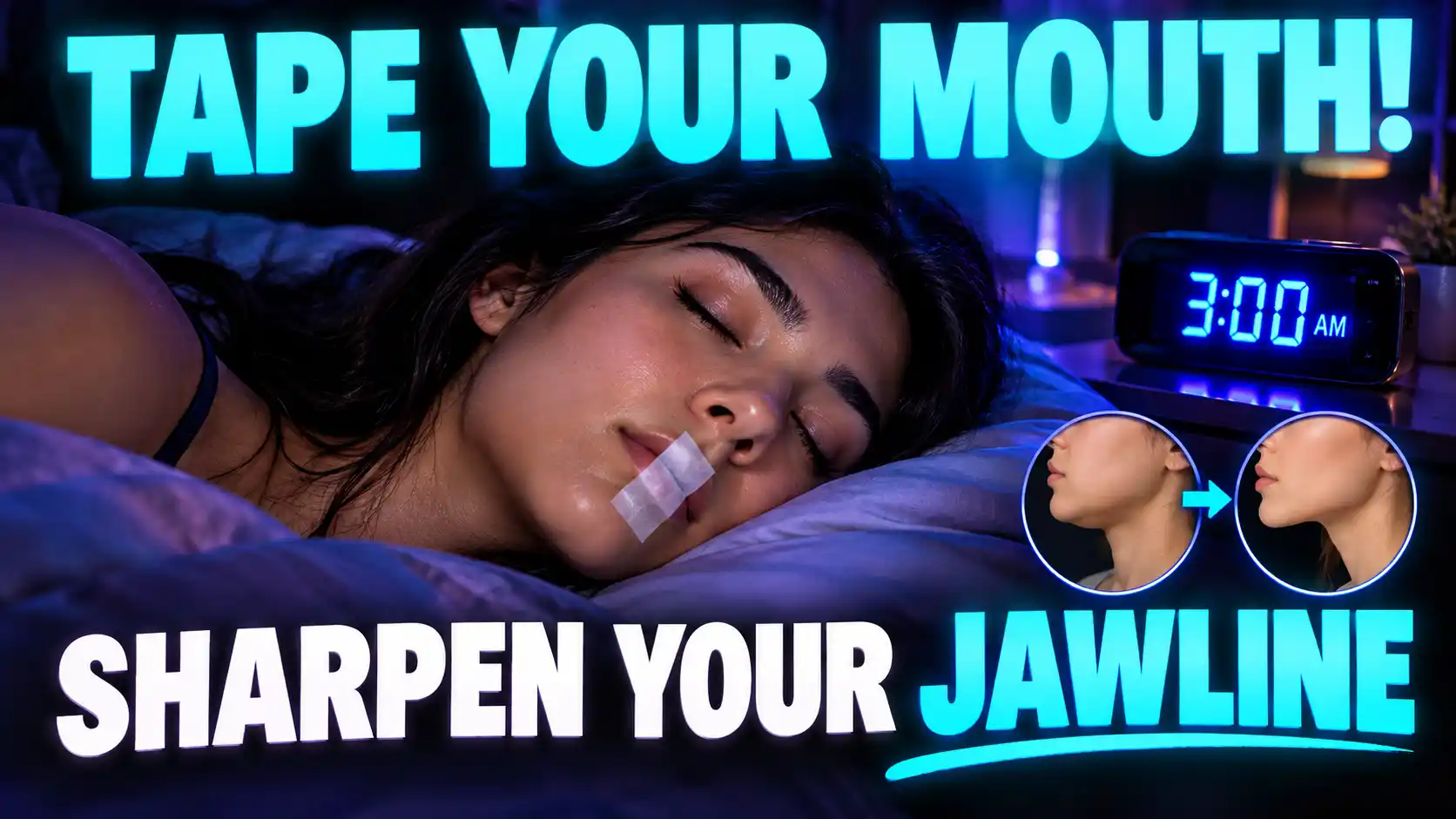
If you were to walk into the bedrooms of top-tier professional athletes, Silicon Valley tech executives, and holistic wellness influencers right now, you might witness something that looks deeply unsettling: people peacefully sleeping with a piece of surgical tape sealed directly over their lips.
At first glance, it looks highly unusual. However, this bizarre, highly viral nightly ritual is not a practical joke. It is a profound, scientifically backed physiological practice known as mouth taping.
For decades, we have been obsessed with optimizing our sleep. We buy expensive cooling mattresses, invest in blackout curtains, and track our REM cycles with smart rings. Yet, millions of people still wake up feeling completely exhausted, dealing with severe brain fog, dry mouths, and chronic snoring. The problem is often not our beds; the problem lies in the fundamental mechanics of how oxygen enters our bodies while we are unconscious. We have largely become a culture of chronic mouth breathers.
By encouraging the body to breathe exclusively through the nose during the night, mouth taping fundamentally alters your cellular respiration, shifts your nervous system out of a state of chronic stress, significantly reduces snoring, and can even help physically sharpen your jawline over time.
In this exhaustive, comprehensive deep dive, we are going to explore the physiological consequences of chronic mouth breathing, break down the advanced biochemistry of nasal nitric oxide, provide a strict safety guide on which tapes to use, and reveal the incredible, life-changing benefits of mouth taping for sleep and overall facial aesthetics.
Table of Contents
1. The Biology of Respiration: Why We Are Designed to Breathe Through the Nose
Before we discuss placing tape over your lips, it is absolutely crucial to understand the fundamental anatomical purpose of your nose. Your mouth and your nose are not interchangeable breathing apparatuses.
As bestselling author and science journalist James Nestor comprehensively details in his groundbreaking book Breath: The New Science of a Lost Art, humans are biologically engineered to be obligate nasal breathers. The mouth is an emergency backup system designed strictly for eating, speaking, and drawing in massive, rapid amounts of air during extreme physical exertion (like running or heavy lifting).
Your nasal cavity, on the other hand, is a highly complex, multi-layered filtration and conditioning system. When you inhale through your nose, the air is forced through a labyrinth of turbinates (conchae). During this journey, the air is meticulously conditioned:
- Filtration: Tiny hairs (cilia) and a thick layer of mucus physically trap airborne dust, allergens, bacteria, and viruses before they can ever reach the delicate tissues of your lower lungs.
- Humidification: Nasal tissue adds massive amounts of moisture to the air. If you breathe dry winter air directly through your mouth, it actively irritates your lungs. The nose perfectly humidifies the air to match your internal body environment.
- Temperature Regulation: The vast network of blood vessels in the nasal cavity actively warms freezing air or cools scorching air, ensuring it enters the lungs at the perfect physiological temperature.
When you bypass this incredibly sophisticated system and breathe strictly through your mouth while you sleep, you are pulling raw, unfiltered, freezing, and dry air directly into your vulnerable lung tissue for eight continuous hours.
2. The Epidemic of Mouth Breathing: What Happens When We Sleep
Why do we care so much about how we breathe at night? Because when we lose consciousness, our muscle tone completely relaxes.
For millions of people, the moment they fall asleep, their jaw naturally falls open. The heavy muscle of the tongue detaches from the roof of the mouth and collapses backward into the airway. This immediately initiates a cascade of physiological events.
The Snoring and Micro-Arousals
When the airway is partially blocked by a collapsed tongue, the air forced through the narrow opening causes the soft tissues of the throat to vibrate violently. This is the primary mechanical cause of snoring. However, snoring is not just a frustrating noise that keeps your partner awake; it is a clinical sign of biological distress.
Mouth breathing causes micro-arousals. Your brain senses that oxygen levels are dropping and carbon dioxide is building up. It briefly wakes you up (a micro-arousal you will likely not even remember the next morning) to force you to take a deeper breath. This constant, low-grade neurological panic prevents your brain from ever descending into deep, restorative REM sleep.
The Dehydration of the Oral Microbiome
Your mouth relies on a steady flow of saliva to maintain a healthy pH balance and naturally wash away pathogenic bacteria. When you breathe through an open mouth for eight hours, you completely evaporate that vital saliva. This leads to severe dry mouth, which creates the perfect, acidic breeding ground for the bacteria that cause severe morning breath, gingivitis, and rapid tooth decay (cavities).
The Chronic Stress Response
Mouth breathing typically involves shallow, rapid breaths utilizing the upper chest muscles rather than the deep diaphragm. Shallow upper-chest breathing actively stimulates the sympathetic nervous system (the “fight or flight” stress response). When you mouth-breathe at night, your body believes it is under subtle attack, causing your adrenal glands to continuously pump out stress hormones like cortisol. You wake up feeling stressed, anxious, and exhausted because your body fought a biochemical battle all night.
To help stop this cycle, you must physically close the jaw. This is exactly where experiencing the benefits of mouth taping for sleep becomes a profound, non-invasive intervention.
3. The Vital Molecule: Nitric Oxide and the Bohr Effect
To truly understand the massive, systemic health benefits of mouth taping for sleep, we must dive into the advanced biochemistry of a highly functional, short-lived gas called Nitric Oxide (NO).
In 1998, three scientists won the Nobel Prize in Medicine for their discoveries concerning nitric oxide as a crucial signaling molecule in the cardiovascular system.
The Production of Nitric Oxide
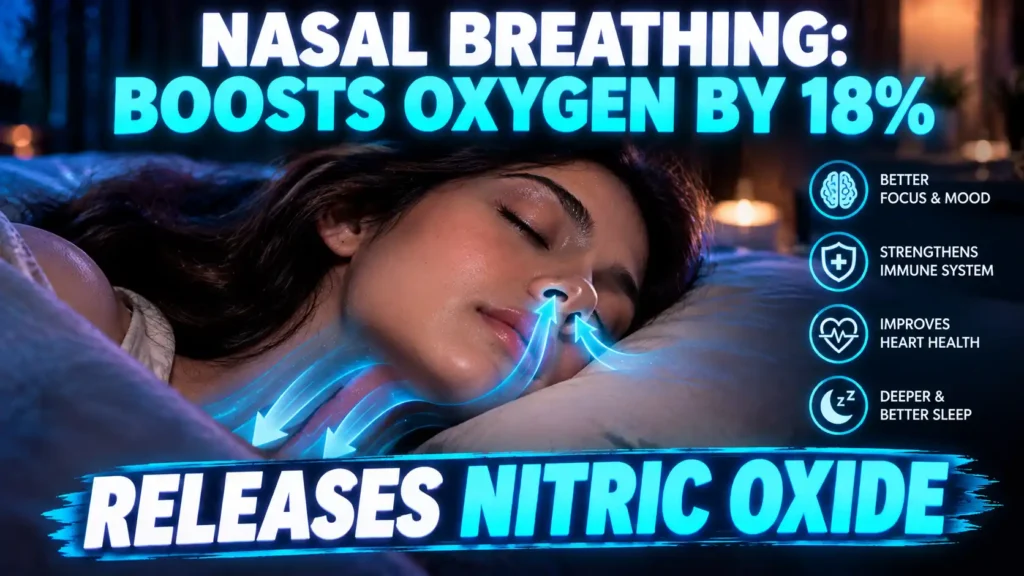
Nitric oxide is an incredibly potent vasodilator—it physically relaxes and widens your blood vessels, helping lower your blood pressure and allowing massive amounts of oxygen-rich blood to circulate efficiently throughout your entire body.
Here is the most critical anatomical fact: Your body produces massive amounts of nitric oxide directly inside the paranasal sinuses, but it produces absolutely zero nitric oxide in the mouth.
When you breathe through your nose, the inhaled air sweeps up this pooled nitric oxide from the sinuses and carries it directly into the lungs. This gas allows the delicate alveoli (air sacs) in your lungs to absorb oxygen roughly 10% to 18% more efficiently. When you mouth-breathe, you completely bypass this life-giving molecule.
The Bohr Effect: Why Carbon Dioxide is Essential
Most people mistakenly believe that carbon dioxide (CO2) is just toxic waste that must be exhaled as quickly as possible. This is biologically incorrect.
According to the Bohr Effect (a physiological phenomenon first described by Danish physiologist Christian Bohr in 1904), oxygen binds tightly to hemoglobin in your blood. The only way the hemoglobin will actively release that oxygen into your cells, muscles, and brain is in the presence of carbon dioxide.
Mouth breathing is essentially a form of chronic, low-grade hyperventilation. You are blowing off too much CO2. Because your CO2 levels drop too low, the oxygen stays locked tightly in your blood and cannot actually enter your brain cells efficiently. Nasal breathing (enforced by mouth taping) slows down your respiration rate, allowing a healthy buildup of CO2, which in turn forces massive amounts of oxygen directly into your deep cellular tissues.
4. The Core Benefits of Mouth Taping for Sleep
When you finally secure your lips and encourage your body to utilize its natural respiratory system, the physical and neurological transformations are significant. Here are the heavily documented benefits of mouth taping for sleep:
1. Deep, Uninterrupted REM Sleep
Because nasal breathing utilizes the deep diaphragm rather than the upper chest, it actively stimulates the vagus nerve. The vagus nerve is the biological command center for the parasympathetic nervous system (the “rest and digest” state). By mouth taping, you physically help your nervous system shift out of panic mode, allowing your brain waves to slow down and descend into the deep, uninterrupted REM (Rapid Eye Movement) and slow-wave sleep required for memory consolidation and cellular repair.
2. The Significant Reduction of Snoring
For the vast majority of mild to moderate snorers, the noise is entirely caused by the mouth falling open and the tongue collapsing backward. By taping the lips shut, the jaw is held firmly in place, and the tongue naturally rests against the roof of the mouth (its anatomically correct posture). This helps keep the posterior airway open and can physically eliminate the anatomical mechanics of mouth-based snoring.
3. Profound Oral Health and Cavity Prevention
Holistic dentists are increasingly recommending mouth taping to their patients. By keeping the mouth closed, you trap the natural humidity inside. Your saliva production remains active all night, maintaining an alkaline pH that actively neutralizes the acids produced by plaque. You will wake up without the horrific, sticky “morning breath” and drastically reduce your risk of periodontitis.
4. Cardiovascular Support
Because nasal breathing floods the lungs with the vasodilator Nitric Oxide, the blood vessels relax, and the heart does not have to pump as aggressively to circulate oxygen. Clinical research indicates that habitual nasal breathing can help lower resting blood pressure and reduce the overall strain on the cardiovascular system during the night.
5. The Jawline Connection: Craniofacial Aesthetics and “Mewing”
Beyond the profound internal health benefits, one of the primary reasons mouth taping has exploded in popularity among younger generations is its direct impact on facial aesthetics, specifically the structural definition of the jawline.
The Anatomy of “Long Face Syndrome”
Orthodontists have known for decades that chronic mouth breathing physically alters the bone structure of the human face, especially during childhood development. When the mouth hangs open constantly, the powerful muscles of the cheeks pull tightly against the upper jaw (maxilla). Over time, this constant pressure can narrow the dental arch, cause severe teeth crowding, and pull the facial structure downward, resulting in a recessed chin, a weak jawline, and drooping eyes—a clinical condition known as “Long Face Syndrome” or “Adenoid Face.”
The Power of Proper Tongue Posture (Mewing)
Your tongue is one of the strongest muscles in your body relative to its size. Its biologically correct resting posture is pressed firmly against the entire roof of the mouth (the hard palate). When the tongue rests on the palate, it acts as a structural scaffolding, constantly pushing the maxilla upwards and outwards, which helps develop high cheekbones and a wide, sharply defined lower jaw.
You cannot maintain proper tongue posture if your mouth is open. When you tape your mouth shut at night, you subconsciously train your tongue to rest on the roof of your mouth for a third of your life. While dramatic bone changes are most prominent in growing children, adults who practice mouth taping (often paired with the daytime tongue posture practice known as “Mewing”) frequently report a visible reduction in submental fat (double chin) and a much tighter, more defined jawline due to the constant, corrective engagement of the deep facial and neck muscles.
6. How to Safely Start Mouth Taping (A Beginner’s Guide)
Before you run to your garage and grab a roll of heavy-duty tape, you must understand the strict safety protocols of this biohack. The goal is not to hermetically seal your lips shut like a padlock; the goal is to provide a gentle, physical reminder to the brain to keep the jaw closed.
Rule 1: Never Use Duct Tape or Packing Tape
Industrial tapes contain harsh chemical adhesives designed to bond to cardboard and drywall, not delicate human skin. If you apply these to your face, you will damage the top layer of your epidermis, cause severe contact dermatitis, and potentially rip out your facial hair.
Rule 2: Choose the Right Medical Tape
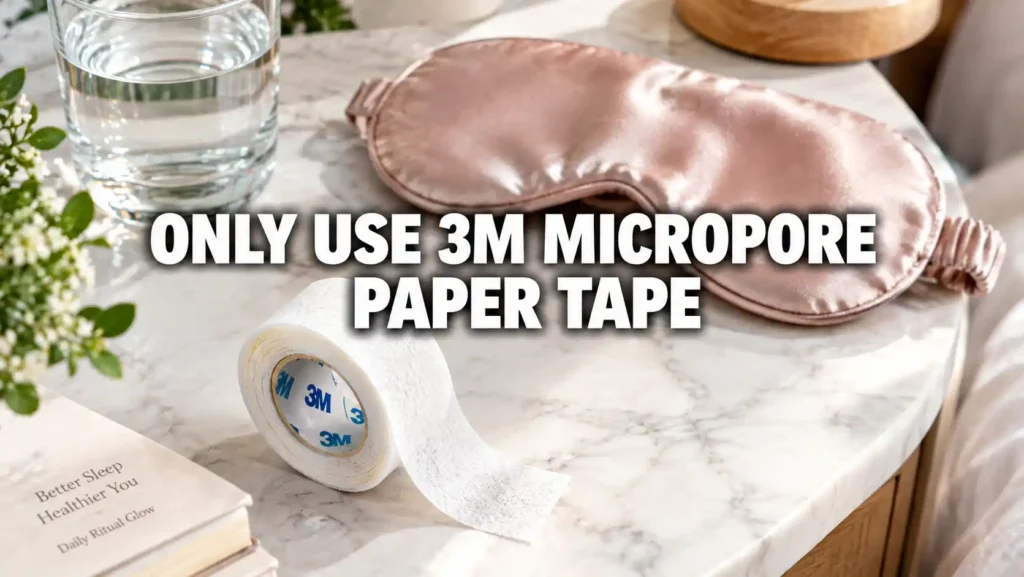
You need a tape that is hypoallergenic, highly porous (meaning it breathes easily), and uses a gentle medical-grade adhesive that releases without pulling the skin.
- 3M Micropore Surgical Tape (Paper Tape): This is the absolute gold standard for beginners. It is incredibly cheap, highly breathable, and the adhesive is very gentle.
- Specialty Sleep Tapes (SomniFix, Hostage Tape): If you have a larger budget, there are now dozens of premium brands specifically engineered for this practice. They often feature a small, mesh breathing vent in the exact center, which provides immense psychological comfort for beginners worried about breathing restriction.
The Application Technique
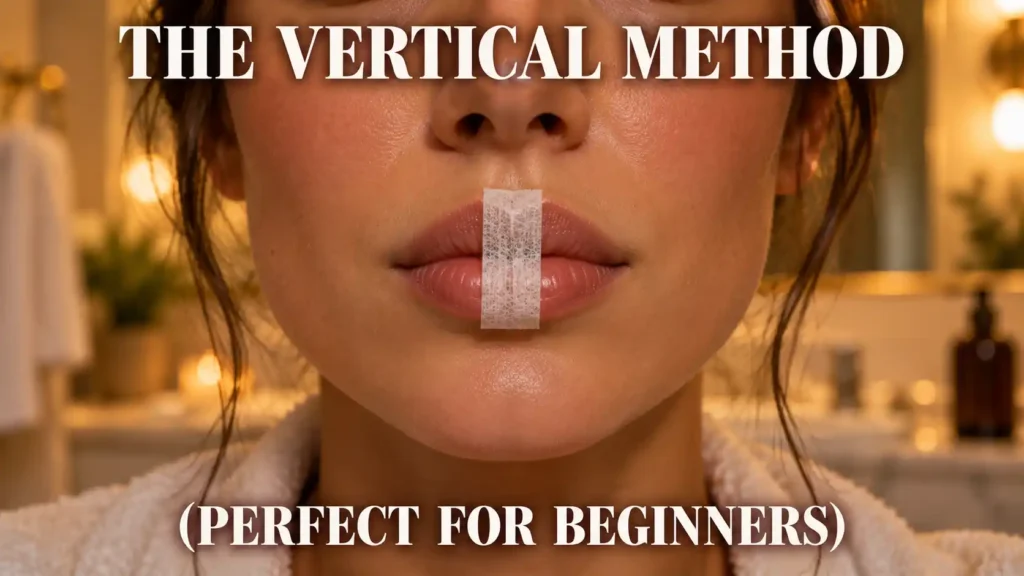
You do not need to wrap the tape entirely from cheek to cheek.
- The Horizontal Strip: Tear off a small piece of paper tape (about the width of your lips). Gently fold your lips inward slightly (so the tape doesn’t stick to the wet inner tissue) and place the tape horizontally across the center of your mouth.
- The Vertical “Mustache” Method: If you are highly claustrophobic, take a very small, one-inch piece of tape and place it completely vertically directly over the center of your lips. This acts like a tiny lock holding the lips together, but allows air to escape through the corners of the mouth if you absolutely need to open it.
7. Skincare Prep: Taping Over Creams and Serums
One of the biggest complaints from beginners is that the tape simply falls off in the middle of the night. Almost 100% of the time, this is because they applied the tape over a heavy layer of occlusive nighttime skincare.
Medical adhesive will not stick to lipids. If you slather your face in heavy oils, the tape will slide off in twenty minutes. Here is how to balance your anti-aging skincare routine with your mouth taping habits:
The Safe Application Zone
You can absolutely still use your heavy, deeply restorative facial oils, such as a viral castor oil and frankincense serum for wrinkles. However, you must leave a strictly dry, one-inch perimeter completely around your lips. Apply your heavy serums to your forehead, cheeks, and neck, but wipe the skin directly around your mouth with a clean towel before applying the tape.
The Morning Removal
In the morning, do not aggressively rip the tape off like a band-aid. The skin around the mouth is incredibly thin and prone to micro-tearing. Splash your face with warm water to loosen the adhesive, and gently roll the tape off. Afterward, you can deeply cleanse the area and remove any lingering medical adhesive residue by gently swiping your face with clarifying DIY turmeric cleansing pads, which will also help brighten the skin and reduce any temporary redness.
8. The Ultimate Evening “Habit Stacking” Sleep Routine
Mouth taping is an incredible physiological tool, but it is just one piece of the holistic sleep puzzle. To truly maximize the profound benefits of mouth taping for sleep, you must create an environment where your nervous system is deeply relaxed before the tape ever goes on.
If your cortisol is spiking from anxiety, putting tape over your mouth will only induce a panic response. By utilizing the psychological concept of “habit stacking,” you create a powerful, structured evening routine that guarantees deep, uninterrupted rest.
Phase 1: Internal Nervous System Calming
Hair, skin, and sleep cannot optimize if your stress hormones are constantly elevated. About 90 minutes before bed, step away from all blue-light-emitting screens. To naturally lower your core body temperature and flood your brain with sleep-inducing minerals, eat a potent tart cherry magnesium sleep gummy or sip on a relaxing viral “Sleepy Girl Mocktail”. The magnesium acts as a biological brake pedal for your racing thoughts.
Phase 2: External Physical Relaxation
If you suffer from restless legs or physical muscle tension, your brain will struggle to enter REM sleep. Spray a heavy coat of DIY magnesium oil spray for sleep directly onto the soles of your feet and the backs of your calves. The transdermal magnesium rapidly absorbs into the bloodstream, relaxing tight muscle fibers.
Phase 3: Olfactory Triggers and The Final Seal
To deeply enhance your physical bedroom environment and trigger olfactory (scent-based) relaxation, lightly mist your bed sheets and pillows with a soothing DIY Lavender & Chamomile Pillow Mist.
Once you are in bed, reading a physical book under dim light, apply your small piece of porous surgical tape to your lips. By the time you turn off the lamp, your body is biologically primed, perfectly relaxed, and mechanically locked into deep, restorative nasal breathing.
9. Potential Side Effects, Safety Warnings, and Contraindications
While mouth taping is generally incredibly safe for the vast majority of healthy adults, it involves actively manipulating your respiratory airway. You must exercise absolute common sense and deep biological awareness.
Do Not Tape If You Are Congested
This is the most critical rule. If you are suffering from a severe sinus infection, a heavy winter cold, or intense seasonal allergies that have completely blocked your nasal passages, do not tape your mouth. Your body relies on the mouth as an emergency airway when the primary nasal airway is compromised. Wait until your nasal passages are completely clear before resuming the practice.
The Claustrophobia and Anxiety Hurdle
For many people, the psychological idea of sealing their mouth shut triggers deep primal panic and claustrophobia. If you attempt this for the first time in the dark at midnight, you will likely rip the tape off in a panic at 2 AM.
The Fix: You must gently train your brain that it is safe. Practice wearing the tape during the day while you are fully awake and distracted. Wear it for 30 minutes while folding laundry, reading a book, or watching a show. Once your subconscious brain realizes that you are easily getting enough oxygen through your nose, the nighttime panic will completely disappear.
Severe Obstructive Sleep Apnea (OSA)
If you have been medically diagnosed with severe Obstructive Sleep Apnea (a condition where the airway physically collapses, stopping breathing dozens of times per hour) and have been prescribed a CPAP machine, you must consult your sleep specialist before mouth taping. While many CPAP users successfully use mouth tape to prevent air from leaking out of their mouths (rendering the machine less effective), this must absolutely be supervised by a medical professional.
10. Frequently Asked Questions (FAQ)
Will I suffocate if I throw up or need to cough in the middle of the night?
No. This is a common primal fear, but it is entirely unfounded if you use the correct tape. Medical paper tape (like 3M Micropore) is incredibly weak. It is designed to be a gentle reminder, not a physical padlock. If you experience a sudden urge to cough, sneeze, or vomit, the natural, explosive physical force of your jaw opening will effortlessly instantly break the tape or push it off your lips.
Can I still mouth tape if I have a beard or heavy stubble?
Yes, but it requires slightly more precision. Standard surgical tape will struggle to adhere securely to thick facial hair. If you have a heavy beard, you must use a tape with a slightly stronger adhesive (like the specialized SomniFix strips), or utilize the small, vertical “mustache method” (placing a tiny strip directly in the center of the lips where hair is thinnest) rather than trying to tape horizontally across the entire beard.
How long does it actually take to see a difference in my jawline?
You must manage your expectations. Mouth taping is not plastic surgery. If you are an adult, your facial bones have fused. The tightening of the jawline you experience comes from the atrophy of the buccal (cheek) muscles from lack of mouth breathing, and the tightening of the submental muscles under the chin from proper tongue posture. You will likely notice a reduction in morning facial puffiness within 2 weeks, but structural muscular changes and a sharper jawline generally take 6 to 12 months of highly consistent, nightly taping (paired with daytime Mewing) to become visibly prominent.
11. Final Thoughts: Reclaim Your Rest
In a modern wellness culture that constantly demands we buy more expensive electronic gadgets, swallow more complex synthetic supplements, and meticulously track every single biometric data point just to get a decent night’s sleep, mouth taping offers a radically different, highly primitive approach. It reminds us that sometimes, the key to profound biological optimization is simply encouraging the body to use the anatomical systems it was originally designed with.
Mastering this incredibly simple, nearly free biohack is not just about silencing a frustrating snoring habit; it is about actively supporting the foundational health and vitality of your cardiovascular and neurological systems. You are physically removing the stress of chronic hyperventilation, flooding your brain with life-giving nitric oxide, and finally giving your body the pristine, heavily oxygenated environment it desperately needs to heal overnight.
Throw away the expensive anti-snoring gadgets today. Go to your local pharmacy and purchase a $3 roll of 3M Micropore surgical tape. Apply a small piece to your lips tonight, and prepare to naturally, safely experience the deepest, most restorative, and most transformative sleep of your entire life.