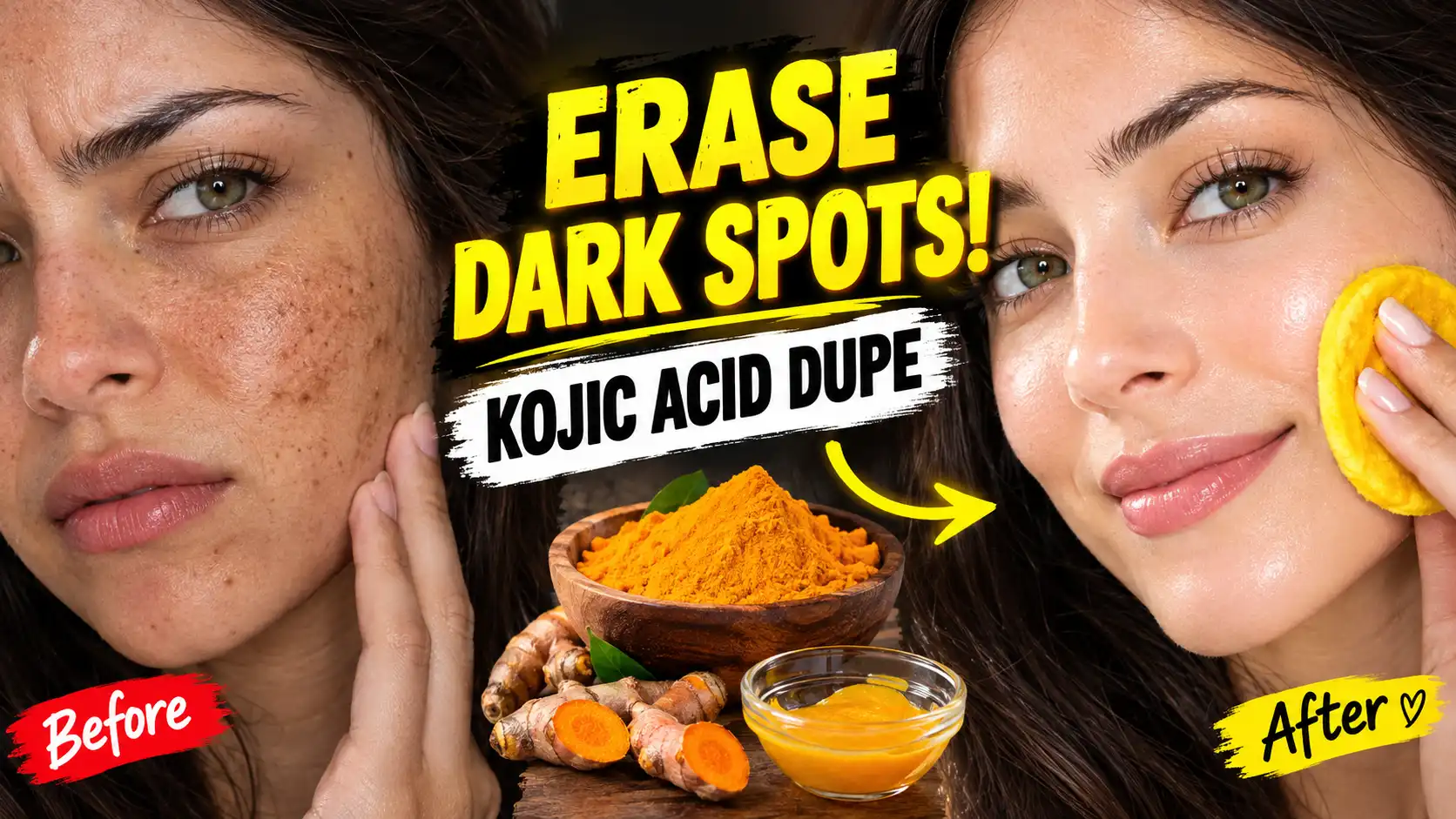
If you have scrolled through beauty TikTok or Pinterest lately, you have likely seen glowing influencers swiping vibrant yellow cotton rounds across their faces. These DIY turmeric cleansing pads have completely taken over the skincare community, and for a very good reason. People are calling them the ultimate natural hack for fading stubborn dark spots, calming breakouts, and achieving an unbelievable, filter-like glow.
Dealing with hyperpigmentation, acne scars, or uneven skin tone can be incredibly frustrating, especially when luxury brightening serums cost upwards of $80. But what if you could create a highly effective, natural brightening treatment in your kitchen for just a few dollars?
That is exactly what this viral trend offers. By combining the anti-inflammatory power of turmeric with a gentle cleanser and hydrating ingredients, you can create a daily brightening treatment that actually delivers visible results.
If you are ready to tackle uneven skin tone without harsh chemicals, here is everything you need to know about making, storing, and using DIY turmeric cleansing pads safely—including the secret trick to ensure they never leave your face stained yellow!
Table of Contents
1. What Are the Viral DIY Turmeric Cleansing Pads?
Over the last few months, a massive DIY skincare movement has emerged online, focusing on accessible, holistic ingredients. The turmeric cleansing pad trend involves soaking standard cotton rounds in a homemade mixture of turmeric powder, a gentle foaming facial cleanser, and a hydrating base like honey or aloe vera. These soaked pads are then frozen and used as a daily brightening wash.
The internet quickly dubbed this recipe the ultimate “Kojic Acid Dupe.” Kojic acid is a highly popular, naturally derived ingredient used in expensive dermatology clinics and high-end serums to lighten dark spots. Turmeric, as it turns out, operates on a very similar biological pathway, making these homemade pads a remarkably effective, budget-friendly alternative for tackling hyperpigmentation.
2. The Science: Why Are They Called the “Natural Kojic Acid”?
It is easy to dismiss kitchen skincare as just another internet fad, but the science behind turmeric is exceptionally well-documented in dermatological research.
How Curcumin Fights Hyperpigmentation
The magic of turmeric lies in its active compound, curcumin. When your skin is exposed to UV damage or trauma (like a popped pimple), it produces an enzyme called tyrosinase. This enzyme is directly responsible for producing melanin, the pigment that causes dark spots and post-acne marks.
Just like expensive Kojic Acid serums, curcumin is a tyrosinase inhibitor. This means that applying it topically literally interrupts the skin’s overproduction of melanin. By stopping the dark pigment from forming in the first place, your skin can naturally shed the older, darker cells, revealing an even complexion underneath.
Gentle Exfoliation
Beyond the chemical benefits of curcumin, these pads offer a fantastic physical benefit. The textured surface of a cotton round, combined with the slight grittiness of the turmeric powder and the foaming action of your cleanser, creates a very mild, safe exfoliation. This helps lift away dead, dull skin cells from the surface of your face, allowing the brightening ingredients to penetrate deeper into your pores.
3. The Skin Benefits of Using Turmeric Pads
When formulated correctly, a batch of DIY turmeric cleansing pads can transform your skincare routine. Here is what they actually do for your skin.
Fading Dark Spots & Acne Scars
The primary reason this trend exploded is its ability to target Post-Inflammatory Hyperpigmentation (PIH). Those are the stubborn brown or red marks left behind after a breakout finally heals. The curcumin works to slowly fade these concentrated areas of melanin, bringing your skin tone back to baseline. For even faster fading, many readers alternate these pads with a targeted DIY rice & oat brightening face mask for dark spots.
Calming Active Breakouts
Turmeric is naturally antibacterial and highly anti-inflammatory. If you have angry, red, cystic acne or a compromised skin barrier, the soothing properties of turmeric and honey help reduce swelling and redness almost immediately. It creates an environment where acne-causing bacteria struggle to survive.
Achieving that “Glass Skin” Glow
Because these pads gently exfoliate while simultaneously delivering a massive dose of antioxidants, they leave behind an instant, radiant glow. After just one use, your skin will look noticeably brighter and more reflective. To lock in this hydration, you can follow up your cleanse with the best DIY rice water toner for flawless glass skin.
4. How to Make DIY Turmeric Cleansing Pads (Step-by-Step Recipe)
Making these at home is incredibly simple, but the specific ingredients you choose will make or break your results.

The Exact Ingredients You’ll Need
- 1 Tablespoon of Turmeric Powder: (See the vital “Secret Hack” below before you buy).
- 2 Tablespoons of Gentle Foaming Cleanser: (Use a basic, fragrance-free drugstore cleanser like CeraVe, Cetaphil, or Vanicream. Avoid cleansers that already contain strong exfoliating acids like salicylic or glycolic acid).
- 1 Tablespoon of Hydrating Base: (Raw honey or pure aloe vera gel). Note: Aloe vera is a massive staple in natural beauty. If you keep a bottle at home, you can also use it to learn how to use aloe vera for hair growth.
- A splash of filtered water: (Just enough to thin the mixture).
- A pack of textured cotton rounds.
- An airtight glass jar for storage.
The Secret Hack: Kasturi Haldi vs. Kitchen Turmeric
If you take away nothing else from this article, remember this: Do not use standard cooking turmeric from your grocery store spice rack.
Standard cooking turmeric (Curcuma longa) is heavily pigmented and will almost certainly leave your face looking like a yellow highlighter. Instead, you need to purchase Kasturi Haldi (also known as Wild Turmeric or Curcuma aromatica).
Wild turmeric is specifically used for cosmetic purposes. It contains all the incredible brightening and anti-inflammatory benefits of curcumin, but it is entirely non-edible and, most importantly, non-staining. You can easily find organic Kasturi Haldi online or at local Indian grocery markets. This one swap is the secret to getting a glowing complexion without the dreaded yellow cast.
Step 1: Prepare the Liquid Base
In a clean glass bowl, whisk together your gentle face wash, raw honey (or aloe vera), and the Kasturi Haldi powder. Add a tiny splash of filtered water just to thin the mixture so it can easily absorb into the cotton. Whisk until the powder is completely dissolved and the mixture is smooth and frothy.
Step 2: Soak the Cotton Pads
Place a stack of dry cotton rounds into your airtight glass jar. Slowly pour your liquid turmeric mixture over the top of the pads. Press down gently with a clean spoon to ensure the liquid seeps all the way down to the bottom pad. Every single cotton round should be fully saturated but not dripping wet.
Step 3: The Freezing Hack (For Depuffing & Freshness)
Because this is a natural DIY recipe containing water and raw ingredients, bacteria can grow very quickly if left on a bathroom counter.
Place the sealed jar directly into your freezer. Freezing not only preserves the pads for weeks but also transforms them into an incredible morning depuffing treatment. When you pull a slightly frozen pad out to wash your face, the cold temperature instantly constricts blood vessels, reducing morning facial swelling and tightening the appearance of your pores.
5. How to Use Your Turmeric Pads for Maximum Glow
Using these pads correctly is just as important as how you make them.
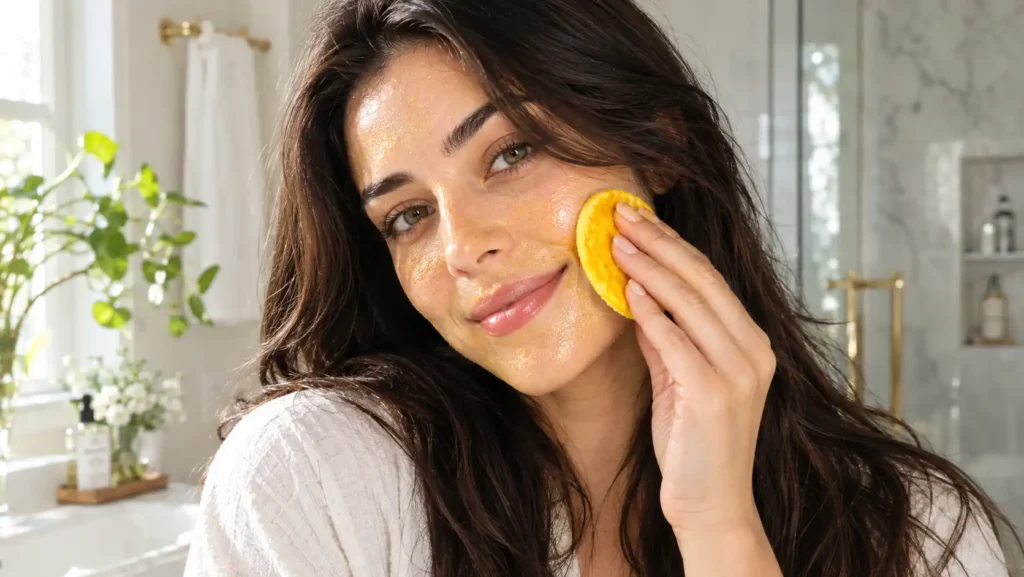
When to Use Them: Morning or Night?
You can use them at either time, but nighttime is generally best. Because you are actively treating hyperpigmentation, doing this at night allows you to follow up with heavy moisturizers and lets your skin repair itself while you sleep, safely away from UV exposure.
Application Steps
- Take one frozen pad out of the jar and let it thaw in your hands for about 10 seconds.
- Splash your face with lukewarm water.
- Gently swipe the pad all over your face using circular motions, concentrating on areas with dark spots or acne scars. Do not scrub harshly.
- Let the lather sit on your face like a mini-mask for 3 to 5 minutes. This gives the curcumin time to actually penetrate the skin.
- Rinse thoroughly with lukewarm water and pat dry with a dark-colored towel.
(If you love this mask-like application, you will also enjoy learning how to make the viral DIY flaxseed “Botox” face mask for your weekend self-care routine).
6. The “Yellow Stain” Warning: How to Avoid Staining Your Skin
This is the number one fear for anyone trying this trend. If you accidentally used cooking turmeric, or if you simply have very pale skin that easily holds onto pigments, you might notice a slight yellow tint after rinsing.
Curcumin is heavily pigmented and lipophilic (fat-soluble), which means splashing water on your face won’t wash it away.
3 Hacks to Remove Turmeric Stains Instantly
If you find yourself with a yellow face, don’t panic. Here is how to dissolve it immediately:
- Use an Oil Cleanser: Because turmeric is fat-soluble, oil breaks it down instantly. Massage a cleansing balm, squalane oil, or even plain jojoba oil into your dry skin for 60 seconds, then wipe it away with a warm washcloth.
- The Milk Trick: Dairy milk contains lactic acid and natural fats that lift turmeric stains effortlessly. Soak a clean cotton ball in whole milk and swipe it over the stained areas.
- Micellar Water: A heavy-duty waterproof makeup remover will usually pull the remaining yellow pigment right out of your pores.
7. Realistic Results: What to Expect After 1 to 4 Weeks
Do not expect your dark spots to vanish overnight. Natural skincare requires consistency.

Week 1: After your first few uses, you will notice an immediate improvement in your skin’s overall brightness and texture. Any active red pimples will likely look smaller, less inflamed, and significantly less angry.
Week 4: This is when the tyrosinase inhibitors really start to show their work. By the end of a month of consistent use, you should see a noticeable fading of stubborn brown spots, sun damage, and old acne scars. Your overall complexion will look vastly more even-toned.
8. 7 Common Mistakes That Ruin Your Turmeric Pads
If you want to get the most out of your DIY turmeric cleansing pads, make sure you are not making these common internet mistakes:
- Using too much turmeric powder: More is not better. A single tablespoon is plenty; too much will overwhelm your skin and cause staining.
- Not adding a hydrating ingredient: Turmeric and foaming cleansers can be slightly drying. You absolutely need honey or aloe vera to buffer the mixture and protect your skin barrier.
- Leaving them on the skin for too long: Do not leave the lather on for 20 minutes like a clay mask. 3 to 5 minutes is the sweet spot before it starts to dry out your skin.
- Storing them outside the fridge or freezer: Without chemical preservatives, a wet jar of organic matter on your warm bathroom counter will grow mold in days.
- Rubbing the pad too harshly on active acne: The cotton pad provides physical exfoliation. If you scrub aggressively over active, inflamed pimples, you will tear the skin and cause more hyperpigmentation.
- Using dirty hands to grab a pad: Always use clean tweezers or freshly washed hands to pull a pad from the jar to avoid introducing bacteria into the batch.
- Skipping sunscreen the next day: Treating dark spots without wearing daily sunscreen is entirely pointless.
9. DIY Turmeric Cleansing Pads vs. Expensive Skincare
How does this affordable kitchen hack stack up against the products lining the aisles of Sephora?
Turmeric Pads vs. Kojic Acid Serums
Lab-formulated Kojic Acid serums are highly concentrated and will often work faster than turmeric. However, they can also be highly irritating, causing redness, peeling, and barrier damage for sensitive skin types. DIY turmeric cleansing pads take a bit longer to show results but offer a much gentler, holistic approach that simultaneously soothes the skin while brightening.
Turmeric Pads vs. Vitamin C
Vitamin C is a phenomenal antioxidant that brightens the skin, but it is notoriously unstable. Expensive Vitamin C serums often oxidize and turn brown within a few months, rendering them useless. Turmeric pads, especially when frozen in small, fresh batches, remain highly potent and stable, offering a reliable antioxidant boost without the massive price tag.
10. Is This Safe for All Skin Types?
Generally, yes, but the recipe should be tailored to what your specific skin barrier needs.
Acne-Prone & Oily Skin
This skin type benefits the most from this trend. The foaming cleanser cuts through excess sebum, while the turmeric actively kills acne-causing bacteria and reduces the swelling of cystic breakouts.
Dry & Sensitive Skin
If you have dry or easily irritated skin, you need to make modifications. Swap the foaming cleanser for a non-foaming cream cleanser. Double the amount of raw honey in your recipe to ensure maximum hydration. Always patch test the liquid mixture on your jawline for 24 hours before applying it to your entire face to ensure you do not have an underlying turmeric allergy.
11. How to Store Your Pads and Maximize Shelf Life
Because we are creating a water-based product with zero broad-spectrum chemical preservatives, proper storage is non-negotiable.
Why storing them in the freezer or fridge is mandatory: Water breeds bacteria. If you leave your glass jar on a shelf, the pads will spoil rapidly.
If stored in the refrigerator, a batch of pads will safely last for about 7 to 10 days. If you choose the freezing method (which is highly recommended for the depuffing benefits), your batch will stay fresh for up to one month. If your pads ever develop a strange, sour smell or change texture, throw the entire batch away immediately and sterilize the jar.
12. Why You MUST Wear Sunscreen After Using Turmeric
This is the golden rule of any brightening skincare routine. Turmeric works diligently to halt melanin production and fade dark spots. However, the moment UV rays from the sun hit your unprotected skin, your body’s defense mechanism triggers tyrosinase to produce more melanin to protect the cells.
Going outside without a broad-spectrum SPF 30+ sunscreen will completely reverse the hard work your DIY turmeric cleansing pads just did. UV rays will bring the dark spots right back, often darker than before. Treat your sunscreen as the mandatory final step of this routine.
13. Frequently Asked Questions (FAQ)
Can I use turmeric cleansing pads every day?
Yes, provided your skin tolerates it well. If you have sensitive skin, start by using them every other day to ensure the physical exfoliation of the cotton round isn’t causing irritation.
Do I need to wash my face after using the pad?
Yes. Because the pads contain your facial cleanser and turmeric powder, you must thoroughly rinse the lather off your face with water after letting it sit for a few minutes.
Can I use ground turmeric from my kitchen?
You technically can, but it is highly discouraged unless you want a yellow-stained face. Always try to source Kasturi Haldi (Wild Turmeric) for cosmetic applications.
Will this bleach my facial hair?
No. Turmeric does not contain bleaching agents like hydrogen peroxide. It may temporarily tint light-colored facial hair yellow if you use cooking turmeric, but it will not permanently lighten or bleach the hair shaft.
Can I use apple cider vinegar in my turmeric pads?
It is not recommended to mix apple cider vinegar into this specific recipe. ACV is highly acidic, and combining it with the physical exfoliation of the cotton pad and a foaming cleanser can easily lead to a damaged, burned skin barrier. Stick to honey or aloe vera for hydration.
More DIY Beauty to Explore: If you are passionate about DIY beauty, you can also explore trending natural hair treatments like the ultimate DIY rice water recipe for extreme hair growth or learn how to make rosemary water for hair growth to complete your self-care lineup!
14. Final Thoughts: Are the Viral Turmeric Pads Worth the Hype?
The skincare space is full of fleeting trends that do more harm than good, but DIY turmeric cleansing pads actually live up to the massive hype. By combining the scientifically proven tyrosinase-inhibiting properties of curcumin with a gentle cleansing routine, you genuinely can create a powerful Kojic Acid dupe right in your own kitchen.
As long as you use Kasturi Haldi to avoid staining, prioritize hydration with honey or aloe, and commit to daily sunscreen use, this affordable DIY treatment is an incredible way to fade stubborn dark spots and finally achieve that highly coveted, clear glass skin.