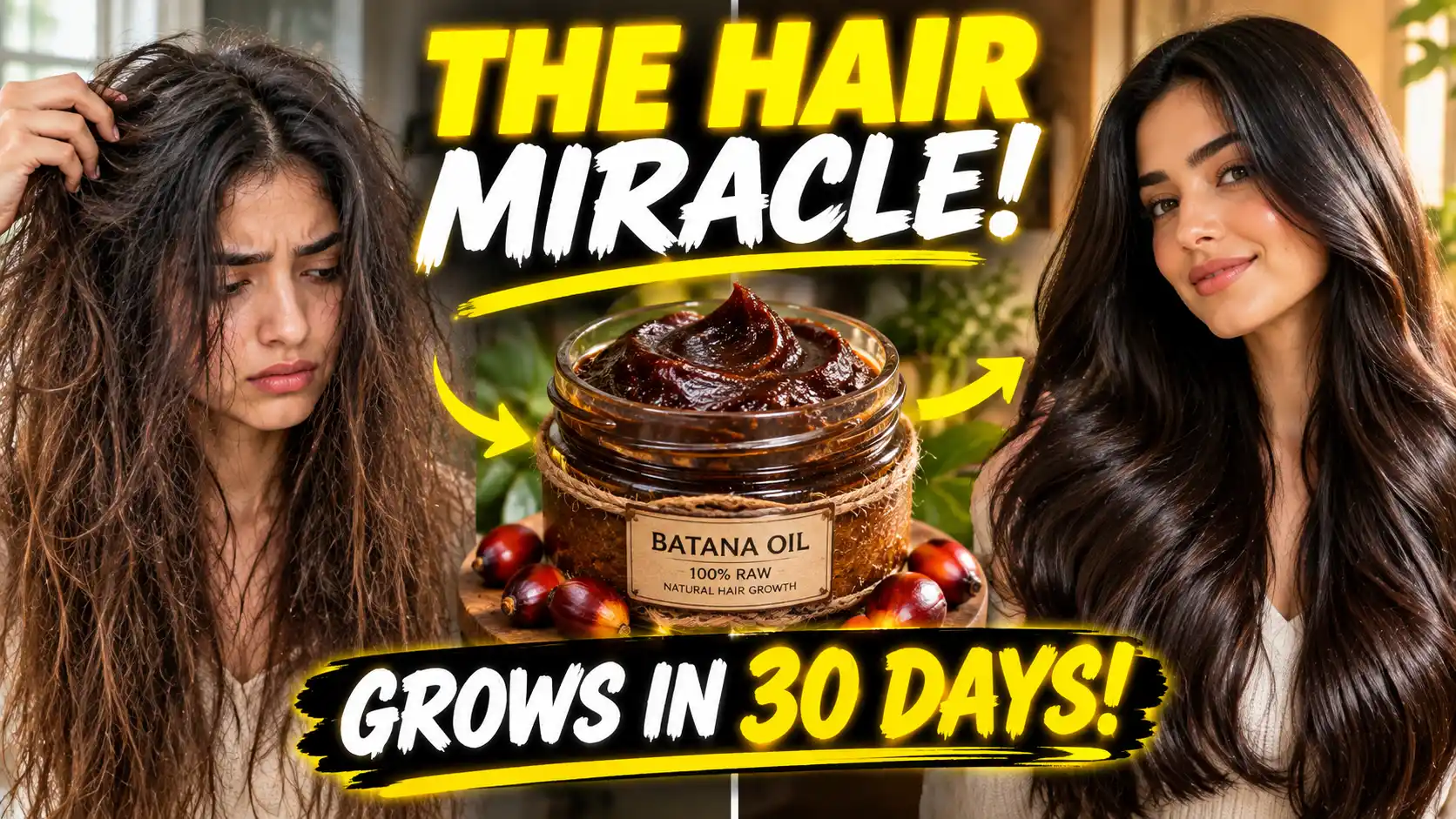
If you have spent years struggling with severely damaged, thinning, or bleached hair, you have probably tried every single product on the pharmacy shelf. You have likely spent hundreds of dollars on expensive biotin gummies, specialized salon treatments, and chemical serums that promise extreme hair growth but only deliver a temporary, silicone-coated shine. When your hair is breaking off at the ends and your scalp is visibly thinning, it is incredibly easy to feel defeated.
However, right now, a deeply traditional, completely natural botanical oil is taking over the internet and disrupting the entire mainstream beauty industry. It is not made in a fancy laboratory, and it does not come with a luxury designer price tag. It comes directly from the rainforests of Central America, and it is fundamentally changing how we approach hair restoration.
Learning exactly how to use batana oil for hair growth is rapidly becoming the ultimate secret weapon for people dealing with extreme hair damage, alopecia, and traction thinning. This dark, rich, coffee-scented paste is being hailed as a “miracle in a jar,” capable of repairing chemically fried hair, filling in sparse edges, and stimulating the scalp for unprecedented growth.
In this comprehensive, deep-dive guide, we are going to explore the fascinating indigenous history of this rare oil, break down the exact biological science of why it works so much better than traditional coconut or argan oil, compare it head-to-head with rosemary oil, and show you the exact, step-by-step weekly routine to achieve the most dramatic batana oil before and after results possible.
Table of Contents
1. The Internet’s New Obsession: Why Batana Oil is Replacing Everything Else
If you spend any time scrolling through the hair care communities on TikTok, Instagram, or Pinterest, you have undoubtedly seen this mysterious dark brown paste making the rounds. The holistic wellness community has completely embraced it, and for a very good reason—millions of people are actively throwing away their synthetic hair serums in favor of this unrefined, natural alternative.
For years, coconut oil and argan oil dominated the natural hair care space. While those oils are fantastic for basic moisture, they often fail when it comes to true, structural hair repair. Coconut oil, for example, contains large protein molecules that can actually block moisture from entering low-porosity hair, leading to a stiff, brittle texture over time.
Batana oil is entirely different. People with chemically bleached, severely heat-damaged, and noticeably thinning hair are calling it a “miracle in a jar” because it does not just sit on top of the hair strand. It actively penetrates the hair cuticle, feeding the follicle directly and repairing the structural integrity of the hair from the inside out. The visual proof of the batana oil before and after transformations flooding social media—showing filled-in bald spots and glossy, repaired ends—has made this Central American secret the most sought-after hair product of the year.
2. What Exactly is Batana Oil? (The Dr. Sebi Connection)
To truly understand why this specific oil is so incredibly powerful, we have to look at its origins. Batana oil is not a new invention; it is a deeply cultural, historical remedy that has been utilized for hundreds of years.
The Indigenous Roots: The Miskito People of Honduras
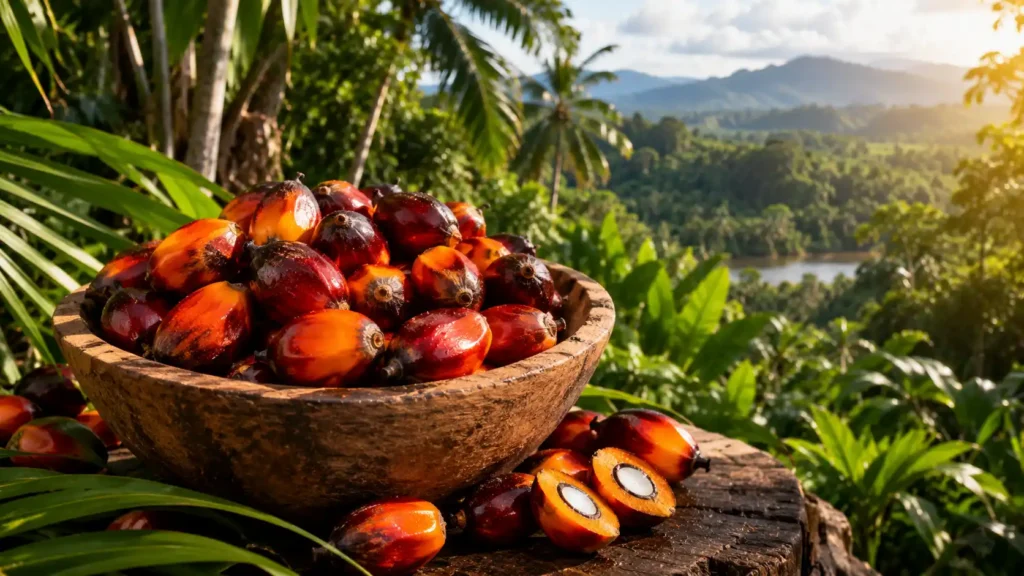
Batana oil is extracted from the nut of the American oil palm tree (Elaeis oleifera), which grows wild in the lush, tropical rainforests of La Mosquitia, Honduras.
The extraction process is incredibly labor-intensive and completely done by hand. The indigenous Miskito people harvest the nuts, boil them, crush them, and then cook them over an open fire until the precious oil naturally separates and rises to the top. This traditional fire-roasting method is exactly what gives authentic batana oil its signature dark brown color and its distinct, earthy, roasted coffee-like scent.
For centuries, the Miskito people have heavily relied on this oil to protect their hair and skin from the harsh tropical sun. Because of their incredibly long, thick, and remarkably strong hair, the Miskito people are affectionately known throughout Central America as “The Tawira,” which directly translates to “The People of Beautiful Hair.”
The Dr. Sebi Endorsement
While the Miskito people have known about this secret for generations, it was largely brought to the attention of the modern US wellness community by the late Alfredo Bowman, widely known as Dr. Sebi. Dr. Sebi was a world-renowned herbalist and holistic healer who advocated for a strict alkaline diet and the use of unadulterated, native herbs.
Dr. Sebi frequently spoke about the miraculous healing properties of batana oil, heavily endorsing it as the only oil you will ever need for optimal skin and hair health. His vocal endorsement catapulted the oil into the spotlight, making it a highly coveted staple for anyone seeking a truly natural, chemical-free path to hair restoration.
3. The Science Behind the Magic: Why It Works Better Than Traditional Oils
This thick, deeply nourishing paste is not just internet hype; it is built on genuine botanical science. The unique chemical composition of batana oil is what makes it exponentially more effective than standard drugstore oils.
High Levels of Tocotrienols (Super Vitamin E)
Batana oil is incredibly rich in tocotrienols, which belong to the Vitamin E family. However, tocotrienols are significantly more potent antioxidants than standard tocopherols (the regular Vitamin E found in most commercial skincare).
According to medical research published on the benefits of tocotrienols, these specific antioxidants vigorously fight oxidative stress on the scalp. Oxidative stress—caused by pollution, UV rays, and harsh hair dyes—literally ages your scalp and suffocates your hair follicles, leading to severe thinning. By neutralizing these free radicals, the tocotrienols in batana oil create the absolute perfect, healthy environment for new hair to thrive.
Rich in Oleic and Linoleic Acids
Unlike heavy oils that just coat the hair and leave it looking greasy, batana oil is densely packed with oleic and linoleic essential fatty acids. These specific fatty acids have a molecular structure that allows them to deeply penetrate the hair shaft. Once inside, they provide intense internal hydration, increase the hair’s natural elasticity, and drastically reduce the chances of snapping and breakage when you brush or style your hair.
Repairing Bleach Damage and Split Ends
If you have severely bleached or heat-damaged hair, your hair cuticles are likely blown wide open, allowing vital moisture to escape. Batana oil acts incredibly similarly to a natural, botanical keratin treatment. The rich lipid profile physically binds to the broken, jagged edges of damaged hair cuticles, sealing them shut. This not only instantly stops split ends from traveling further up the hair shaft, but it also gives the hair a massive, brilliant, glossy shine that makes it look instantly healthier.
4. Batana Oil vs. Rosemary Oil: Which Should You Actually Choose?
If you have been following holistic hair care trends, you already know that rosemary oil has been the undisputed king of natural hair growth for the last two years. So, how does batana oil compare, and which one should you actually invest in?
When to Use Rosemary Oil
Rosemary oil is scientifically proven to work similarly to Minoxidil (the active ingredient in Rogaine) by increasing microcirculation and blood flow to the scalp. It is also a natural DHT blocker. If your primary issue is hormonal hair loss, post-partum shedding, or a receding hairline, stimulating the scalp with a DIY rosemary hair oil or misting your roots with a daily rosemary water for hair growth is still your absolute best first line of defense. (You can read more about how this compares to other treatments in our rosemary water vs. rice water guide).
When to Use Batana Oil
While rosemary focuses heavily on the scalp, batana oil is the ultimate dual-threat. It nourishes the scalp with Vitamin E, but its true magic lies in its ability to physically thicken and repair the actual hair strand itself. If your hair is breaking off at the ends faster than it can grow from the root, rosemary will not save you—but batana oil will. It is best for extreme dryness, bleach damage, repairing split ends, and adding massive density and thickness to the length of your hair.
Can You Mix Them Together?
Absolutely! In fact, combining them is the ultimate holistic hair growth hack. You can use your stimulating rosemary treatments strictly on your scalp and roots to encourage new growth, while heavily coating your mid-lengths and ends with batana oil to repair the existing hair and prevent breakage. This creates a perfect, 360-degree hair restoration environment.
5. Realistic Expectations: Batana Oil Before and After (The Timeline)
One of the biggest mistakes people make when trying to learn how to use batana oil for hair growth is expecting overnight, magical results. Hair growth is a biological process, and it requires consistency. To avoid getting discouraged, here is a highly realistic timeline of the batana oil before and after results you can expect:
Week 1 to 2: The Hydration Phase
During the first two weeks, you are not going to see new length, but you will feel a massive difference in texture. Your hair will feel incredibly soft, deeply hydrated, and significantly less frizzy. The rich fatty acids will smooth down your cuticles, making your hair look instantly shinier and much easier to detangle after a shower.
Month 1 to 2: The Breakage Stop
This is where the magic really begins. By month two, the lipid barrier of your hair is being repaired. You will start to notice significantly less hair accumulating in your shower drain, and far fewer broken pieces of hair on your bathroom floor when you brush it. Because your hair is no longer snapping off at the ends, you will finally start to retain the length that your scalp is producing.
Month 3 and Beyond: The Thickness and Growth Phase
Around the 90-day mark is when you will start taking those incredible batana oil before and after photos. Your scalp’s oxidative stress has been lowered, your follicles are healthy, and your ends are sealed. You will start to see baby hairs filling in around your edges, your ponytail will feel noticeably thicker and heavier, and you will see measurable, significant length retention.
6. Exactly How to Use Batana Oil for Hair Growth (The Weekly Routine)
Because pure batana oil is thick, rich, and solid at room temperature, it requires a slightly different application method than a standard liquid oil. Here is the exact, step-by-step weekly routine to maximize your results.
Step 1: The Proper Way to Melt the Oil
Authentic batana oil looks and feels similar to a thick, grainy shea butter. You should never microwave it, as extreme heat will destroy the delicate tocotrienols and living enzymes. Instead, scoop out a quarter-sized amount with a clean spoon. Place the solid paste into the palm of your hand and firmly rub your hands together. Your natural body heat will quickly melt it down into a smooth, dark, luxurious liquid oil.
Step 2: The Deep Scalp Massage Technique
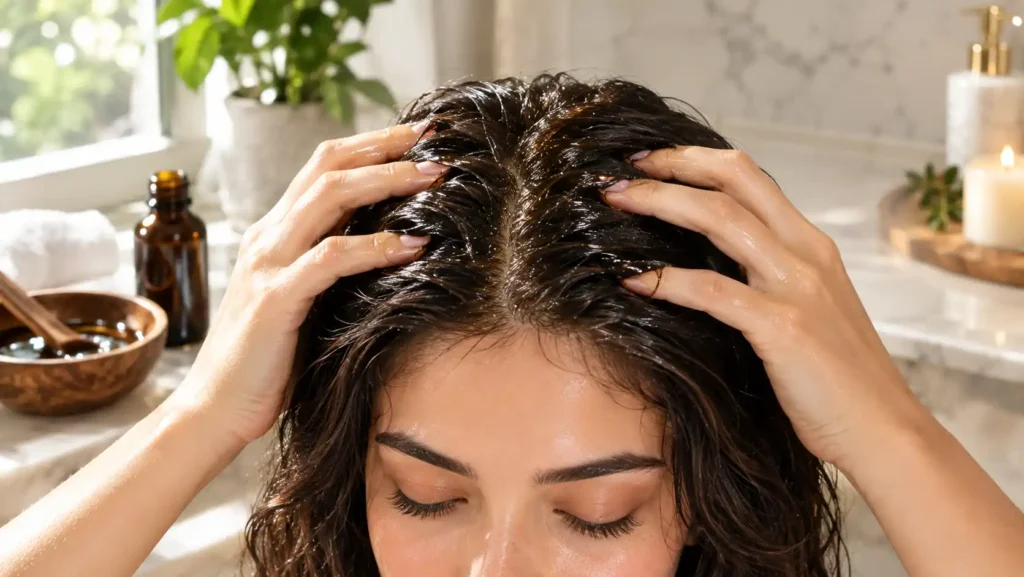
Once the oil is melted on your fingertips, start at the front of your hairline and deeply massage the oil directly into your scalp. Use the pads of your fingers (never your nails) to stimulate the hair follicles. For an extra boost, bend over and use the “inversion method”—massaging your scalp while your head is upside down. This forces fresh, oxygen-rich blood to the scalp, accelerating the absorption of the oil’s nutrients.
Step 3: The Mid-Lengths to Ends Moisture Seal
Once your scalp is thoroughly treated, scoop a little more oil, melt it, and apply it directly to the mid-lengths and ends of your hair. Pay incredibly close attention to the very tips of your hair, as this is the oldest, driest, and most damaged part of the strand. You want to heavily coat the ends to seal the cuticles and prevent them from splitting.
Step 4: The Incubation and Wash-Out Process
Tie your hair up into a loose bun and cover it with a plastic shower cap. The plastic cap traps your natural body heat, opening up the hair cuticles and allowing the batana oil to penetrate as deeply as possible. Leave the treatment in for a bare minimum of 45 minutes, though leaving it on for 2 to 3 hours is highly recommended for severe damage.
When it is time to wash it out, you must double-cleanse. Because batana oil is incredibly thick and heavy, a single shampoo will not remove all the residue. Wash your hair twice with a high-quality, sulfate-free shampoo to ensure your scalp is perfectly clean, preventing your roots from looking flat, greasy, or weighed down.
7. How to Spot Fake Batana Oil (Don’t Waste Your Money!)
Because of the massive viral explosion of this product, the market is unfortunately flooding with cheap, counterfeit knockoffs. Many companies are taking cheap soybean oil or petroleum jelly, adding artificial brown dye, and selling it as “pure batana.” If you want real hair growth, you must know how to spot the real thing.
The Smell Test
This is the absolute biggest giveaway. Authentic, unrefined batana oil has a very distinct, earthy, smoky scent. It smells remarkably similar to dark roasted coffee beans, burnt caramel, or even a faint hint of natural tobacco. It is a raw, earthy smell. If your batana oil smells like synthetic perfumes, sweet coconuts, or has no smell at all, it is 100% fake.
The Texture and Color Check
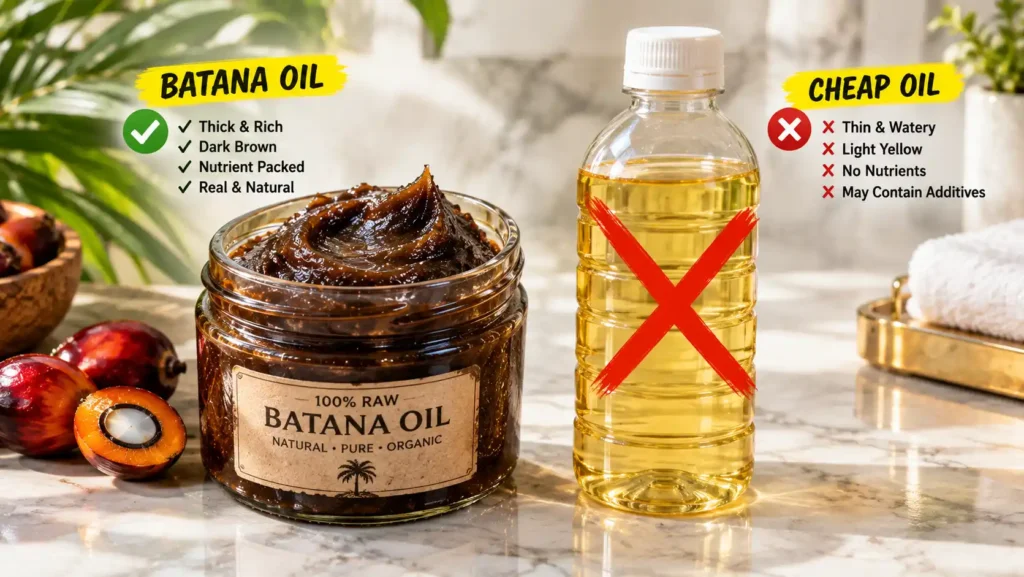
Real batana oil is completely solid at standard room temperature. It should look like a thick, dark brown or deep amber paste. It will only turn into a liquid when exposed to direct heat or the warmth of your hands. If you buy a bottle and it is a clear, runny, yellow liquid sitting on a shelf, it has been heavily diluted with cheap carrier oils and will not give you the results you are looking for. Always check the ingredient list—it should say exactly one thing: Elaeis Oleifera (Batana) Kernel Oil.
8. The Ultimate Hair Growth Habit Stacking Routine
The true secret to incredible, rapid hair transformation is a concept known as “habit stacking.” You cannot use a hair mask once a month, eat poorly, stress out constantly, and expect a miracle. You have to combine multiple holistic treatments to attack hair loss from every possible angle.
Here is an ultimate, highly effective weekly hair growth routine you can start tonight:
- Daily Root Stimulation: Every single morning, lightly mist your scalp with a potent clove water for hair growth or an ultra-hydrating DIY fenugreek water. Massage it in for two minutes to wake up the follicles.
- Weekly Deep Treatment: Once a week, commit to a heavy batana oil scalp and strand masking session, leaving it on for 2 hours before double shampooing.
- Mid-Week Hydration: If your hair feels dry mid-week, apply a highly soothing 7-day DIY aloe vera hair mask or use a traditional DIY rice water recipe to strengthen the hair with natural amino acids.
- Systemic Nighttime Relaxation: High cortisol (stress) is one of the leading causes of hair shedding. Treat your nervous system at night. While your batana oil mask is sitting on your hair, sip on the viral sleepy girl mocktail for deep sleep or apply a DIY magnesium oil spray to your feet. A relaxed body grows healthier hair.
9. Important Safety Tips and Common Mistakes
While batana oil is 100% natural, it is incredibly potent and very heavy. To ensure you do not inadvertently damage your hair or ruin your belongings, make sure you avoid these common beginner mistakes:
Sleeping with It Incorrectly (The Staining Warning)
Because authentic batana oil is completely unrefined and retains its natural dark brown color, it will permanently stain your pillowcases and bedsheets if you sleep with it uncovered. If you choose to leave it in overnight (which is great for extreme damage), you absolutely must wrap your hair securely in a dark-colored silk or satin bonnet, and ideally, lay an old towel over your pillowcase just to be safe.
Over-Applying on Fine Hair
If you have Type 1 (straight) or Type 2 (wavy) fine hair, you must use batana oil sparingly. Because it is such a heavy, dense lipid, applying too much will severely weigh your hair down, making it look incredibly greasy and flat even after you wash it. Start with just a pea-sized amount melted in your hands, focusing primarily on the very ends of your hair, and strictly monitor how your hair reacts before applying more to the roots. Those with Type 3 (curly) and Type 4 (coily) hair can be much more generous with their application, as textured hair naturally craves and easily absorbs heavy, rich oils.
10. Frequently Asked Questions (FAQ)
Does batana oil actually work for all hair types?
Yes, batana oil is universally beneficial because the science of sealing a broken cuticle applies to every hair texture. However, the application method must change based on your type. Coarse, thick, and curly hair types can use it as a heavy, leave-in daily moisturizer. Fine, straight hair types should exclusively use it as a pre-shampoo wash-out treatment to avoid looking greasy.
Can I leave batana oil in my hair overnight?
Absolutely. Leaving the oil in overnight allows for maximum penetration of the essential fatty acids into the hair shaft. Just ensure your hair is wrapped securely in a bonnet to prevent staining your expensive bedding.
How often should I use batana oil for maximum hair growth?
For the absolute best results, you should use batana oil as a deep conditioning scalp and hair mask 1 to 2 times per week. Consistency is key. Using it once a month will not provide enough sustained nourishment to repair severe damage or significantly stimulate new growth.
Does batana oil naturally darken gray hair?
This is a very common internet rumor. Because the oil itself is a dark, rich brown, it can sometimes leave a very temporary, faint tint on platinum blonde or stark white hair if left on for hours. However, it does not permanently dye or darken gray hair from the root. It simply repairs the hair shaft, which makes the hair look richer, glossier, and healthier overall.
11. Final Thoughts: Is the Honduran Hair Miracle Worth the Hype?
In an industry absolutely flooded with expensive, synthetic chemicals and hollow marketing promises, it is incredibly refreshing to find a single, unadulterated ingredient that actually delivers on its claims.
Taking control of your hair health does not have to mean spending hundreds of dollars at a luxury salon or relying on harsh chemical serums that irritate your scalp. By actively shifting your routine to include deeply traditional, plant-based ingredients like the ones trusted by Dr. Sebi and the Miskito people, you can actively train your hair to repair itself naturally.
Learning exactly how to use batana oil for hair growth is a beautiful, deeply effective act of self-care. It replaces negative, frustrated feelings about hair thinning with a proactive, functional, and deeply nourishing weekly ritual. Order a jar of authentic, raw Honduran batana oil, take 20 minutes this weekend to deeply massage your scalp, and watch as your hair naturally transforms into the thick, radiant, healthy mane you truly deserve.
1 thought on “How to Use Batana Oil for Hair Growth: The Viral Honduran Secret for Extreme Thickness”